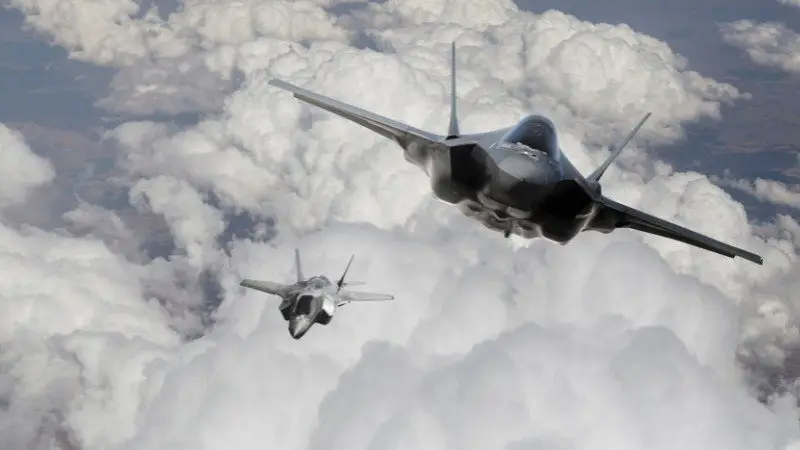
Lockheed Martin (LMT) is a well-known aerospace and defense company that has been in operation for more than a century. Founded in 1912, the company has a rich history that has seen it become one of the largest and most successful companies in the world. One of the key aspects of Lockheed Martin’s success has been its consistent dividend payments to shareholders. In this blog post, we will take a closer look at the history of the Lockheed Martin dividend and its impact on the company and its investors.
The Early Years
Lockheed Martin was originally founded as the Alco Hydro-Aeroplane Company in 1912, and it produced its first aircraft in 1913. Over the years, the company went through a number of name changes and mergers, eventually becoming Lockheed Martin in 1995 after a merger with Martin Marietta.
Throughout its early years, Lockheed Martin did not pay dividends to its shareholders. Instead, the company reinvested its profits in research and development, allowing it to continue to innovate and grow. However, in 1995, the company’s board of directors voted to begin paying a dividend to shareholders, marking a significant shift in the company’s financial strategy.
The Early Dividend Years
In the years following the decision to pay a dividend, Lockheed Martin’s dividend payments were relatively small. In 1995, the company paid a dividend of just $0.10 per share, and this amount remained relatively consistent for the next several years. However, as the company’s financial performance improved, so did its dividend payments.
In 2003, Lockheed Martin increased its dividend by 11%, and it continued to increase its dividend payments in the years that followed. By 2011, the company’s dividend had increased to $1.00 per share, a tenfold increase over the dividend paid in 1995.
The Impact of the Financial Crisis
The 2008 financial crisis had a significant impact on many companies, including Lockheed Martin. During this time, the company’s stock price dropped significantly, and its dividend payments were also affected. In 2009, the company reduced its dividend by 15%, from $1.60 per share to $1.36 per share.
Despite this setback, Lockheed Martin remained committed to paying a dividend to its shareholders. In the years that followed, the company worked to improve its financial performance, and by 2012, it had fully recovered from the impact of the financial crisis.
Recent Years
In recent years, Lockheed Martin has continued to pay a dividend to its shareholders. In 2021, the company paid a dividend of $2.60 per share, an increase of 9% over the previous year. This dividend represented a payout ratio of approximately 40%, meaning that the company paid out 40% of its earnings to shareholders in the form of dividends.
The Future of the Lockheed Martin Dividend
Looking to the future, it is difficult to predict what the future of the Lockheed Martin dividend will be. However, given the company’s strong financial performance and commitment to returning value to its shareholders, it seems likely that the company will continue to pay a dividend in the years to come.
Conclusion
In conclusion, the Lockheed Martin dividend has played an important role in the company’s history. While the company did not pay a dividend for many years, its decision to begin paying a dividend in 1995 marked a significant shift in its financial strategy. Since then, the company has consistently paid a dividend to its shareholders, and it has worked to increase its dividend payments over time.
Despite setbacks such as the 2008 financial crisis, Lockheed Martin has remained committed to paying a dividend to its shareholders. The future of the Lockheed Martin dividend remains uncertain, but given the company’s history of consistent dividend payments and strong financial performance, it seems likely that the dividend will continue to be an important part of the company’s financial strategy in the years to come. For investors, the Lockheed Martin dividend represents a reliable source of income and a testament to the company’s commitment to returning value to its shareholders.
