• Skip to primary navigation
  • Skip to main content
  • Skip to primary sidebar

DividendCalculator.net

Calculate Your Dividends, Plan Your Future

  • Home
  • Dividend Calculator
  • Dividend History
    • Read All
    • Consumer
    • Defense
    • Technology
  • Dividend Updates
  • Learn
    • Dividend Growth Investing 101
    • Dividend vs. Distribution
    • Dividends vs. Return of Capital
    • Dividends and Taxes
    • Surviving Market Crashes with Dividends (Plus Crash Calculator)
  • About

Defense

The Dividend History of General Dynamics

October 2, 2023 by Kevin

Track all markets on TradingView

Have you ever heard of General Dynamics (NYSE:GD)? Maybe, maybe not. But it’s a name worth knowing, especially when we talk about consistent financial rewards for its investors. This company, which plays a major role in the defense industry, has a storied history of paying out dividends. Let’s explore its financial journey and see how it has rewarded those who believed in its potential.

A Brief Overview of General Dynamics

Founded in 1952, General Dynamics began its journey as a multifaceted conglomerate. Over the years, the company has been involved in various ventures from submarines to spacecraft. Today, it’s primarily known for its work in the defense sector, producing things like combat vehicles and communication systems.
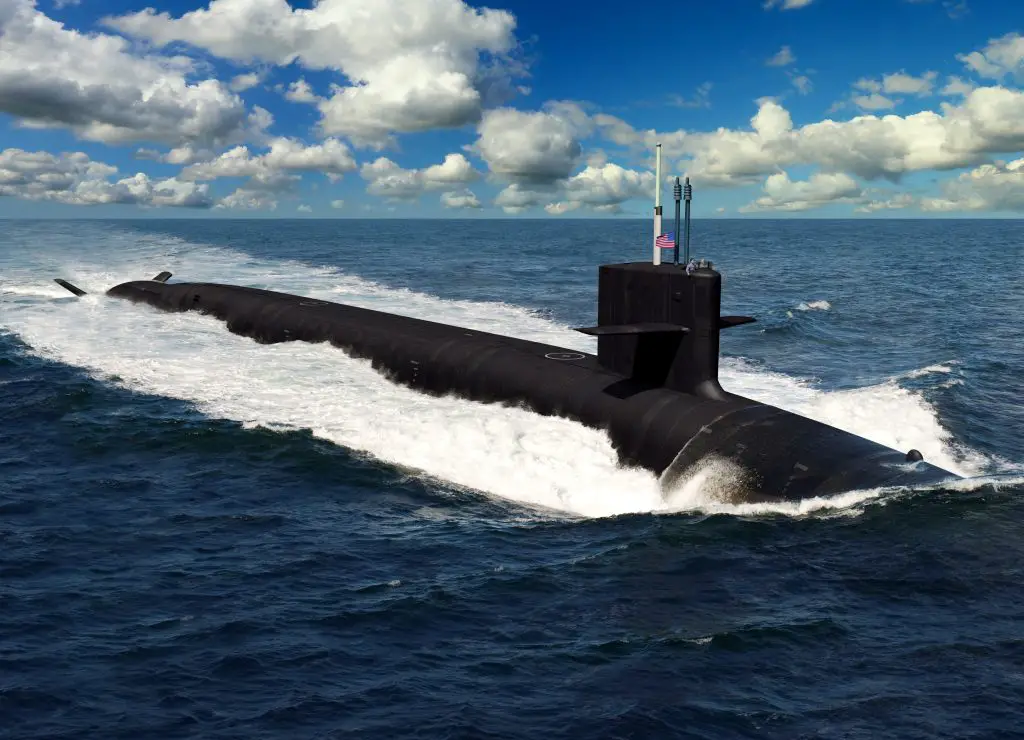
190306-N-N0101-125 WASHINGTON (March 6, 2019) An artist rendering of the future Columbia-class ballistic missile submarines. The 12 submarines of the Columbia class are a shipbuilding priority and will replace the Ohio-class submarines reaching maximum extended service life. The Columbia-class Program Executive Office is on track to begin construction with USS Columbia (SSBN 826) in fiscal year 2021, deliver in fiscal year 2028, and on patrol in 2031. (U.S. Navy illustration/Released)

The Story of Dividends

So, what’s a dividend? Think of it like a slice of the profit pie. When a company makes money, it might share a portion of its profits with its shareholders. This share is known as a dividend. And one of the things that makes General Dynamics stand out is its commitment to giving back to its shareholders through these dividends.

Starting its dividend payouts in the 1970s, General Dynamics set forth on a path of financial commitment to its shareholders. Over the decades, the company’s dividend payouts have seen growth, reflecting its stability and increasing profitability. For instance, in the early days, the dividend per share was just a few cents. Fast forward to recent years, and shareholders have seen dividends in the range of a couple of dollars per share. That’s a significant increase, showcasing the company’s impressive growth.

Factors Behind the Growth

Why has General Dynamics been able to increase its dividends over the years? There are several reasons:

  1. Diverse Offerings: The company isn’t just about tanks and submarines. They’ve expanded their portfolio to include technology and communication services, which have proved profitable.
  2. Government Contracts: Being a major player in the defense sector, General Dynamics often secures contracts from the government. These contracts can be long-term and provide a stable income source.
  3. Innovative Approach: Staying ahead in the defense industry requires innovation. General Dynamics has consistently invested in research and development, ensuring they’re at the forefront of industry advancements.

What the Future Holds

While the past is impressive, investors often look to the future. Can General Dynamics continue its dividend growth? While no one has a crystal ball, the company’s commitment to innovation and its established position in the defense industry bode well for future prospects. However, it’s always important for potential investors to do their homework. Understanding the market, potential risks, and the company’s future plans is essential before making any investment decisions.

Conclusion: More than Just Defense

General Dynamics, while rooted in the defense industry, is a testament to growth, adaptation, and consistent financial rewards. Its dividend history paints a picture of a company that values its shareholders and is committed to sharing its successes. If you’re ever curious about the defense industry or the financial world of dividends, General Dynamics offers a fascinating case study.

Filed Under: Defense, History Tagged With: defense

The Dividend History of Northrop Grumman

August 8, 2023 by Kevin

091209-O-0000X-002 ST. AUGUSTINE, Fla. (Dec. 9, 2009) E-2D Advanced Hawkeye aircraft conduct a test flight near St. Augustine, Fla. (Photo Courtesy Northrop Grumman/Released)
Track all markets on TradingView

NYSE: NOC

If you’re an investor keen on understanding how specific companies have performed over the years, then the dividend history is a great place to start. For those not familiar, a dividend is a payment made by a corporation to its shareholders, usually in the form of cash. DividendCalculator.net aims to help you get to grips with such histories, and today we’re diving into Northrop Grumman (NOC), a giant in the aerospace and defense sector.

Who is Northrop Grumman?

Before delving into the dividends, it’s essential to know who Northrop Grumman is. Northrop Grumman is an American multinational company that specializes in aerospace and defense technology. They have been at the forefront of innovation in these sectors, providing solutions to global security challenges.

Why Dividends Matter

Dividends are one of the primary ways companies return value to their shareholders. Regular and increasing dividends often indicate a healthy and growing company. Studying Northrop Grumman’s dividend history can give insights into its financial health and its commitment to its shareholders.

The Early Days

Northrop Grumman’s journey in dividends began modestly. Like many companies, the initial dividends were conservative, reflecting both the company’s size at the time and the general economic conditions.

NOC originally paid a quarterly dividend of $0.40 in May of 1995.

Steady Growth

Over the years, Northrop Grumman’s dividends have seen a steady rise. This growth mirrors the company’s expansion and its solid footing in the aerospace and defense sectors. Their consistency in paying dividends, even during economic downturns, highlights their commitment to shareholders.

As of May 2023, NOC pays $1.87 per share each quarter ($7.48 annually). This gives it a 7.51% CAGR from 1995 to the most recent 2023 payment.

Recent Trends

The past decade has been particularly kind to Northrop Grumman shareholders. The company’s dividends have seen more substantial increases, reflecting its positive financial outcomes and its position as an industry leader. This upward trend signals both the company’s robust health and its positive outlook on future business prospects.

Comparing with Industry Standards

It’s always a good idea to put things in perspective. When compared to others in the aerospace and defense industry, Northrop Grumman stands out for its consistent dividend growth. NOC is well known for growth, while competitors like Lockheed Martin are known as expert capital allocators and shareholder friendly policies (buybacks + dividends). While other companies have fluctuated or even cut dividends during tough times, Northrop Grumman has been a beacon of reliability for its investors.

What This Means for Investors

If you’re considering investing in Northrop Grumman or if you’re already a shareholder, the dividend history offers a few insights:

  1. Consistency: Northrop Grumman has consistently paid out dividends, indicating a stable financial position.
  2. Growth: The steady increase in dividends showcases the company’s growth and its confidence in future prospects.
  3. Commitment: A solid dividend history demonstrates the company’s commitment to rewarding its shareholders.
  4. Industry Leader: When compared to its peers, Northrop Grumman’s dividend track record highlights its position as an industry leader.

Conclusion

While past performance is no guarantee of future results, understanding a company’s dividend history provides valuable insights for investors. Northrop Grumman’s strong track record in dividends paints a picture of a company that’s both stable and growth-oriented. For those with an eye on the aerospace and defense sectors, Northrop Grumman’s dividends make it a compelling consideration.

Filed Under: Defense, History Tagged With: defense

The Lockheed Martin Dividend: A Brief History

April 21, 2023 by Kevin

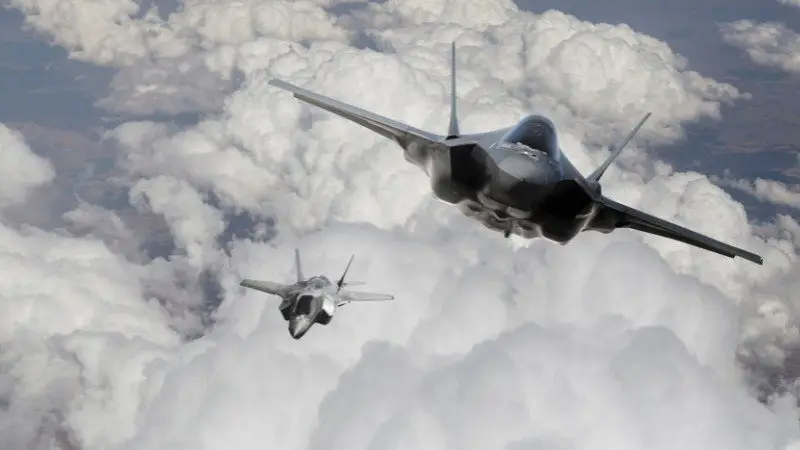
Lockheed Martin F-35
Track all markets on TradingView

Lockheed Martin (LMT) is a well-known aerospace and defense company that has been in operation for more than a century. Founded in 1912, the company has a rich history that has seen it become one of the largest and most successful companies in the world. One of the key aspects of Lockheed Martin’s success has been its consistent dividend payments to shareholders. In this blog post, we will take a closer look at the history of the Lockheed Martin dividend and its impact on the company and its investors.

The Early Years

Lockheed Martin was originally founded as the Alco Hydro-Aeroplane Company in 1912, and it produced its first aircraft in 1913. Over the years, the company went through a number of name changes and mergers, eventually becoming Lockheed Martin in 1995 after a merger with Martin Marietta.

Throughout its early years, Lockheed Martin did not pay dividends to its shareholders. Instead, the company reinvested its profits in research and development, allowing it to continue to innovate and grow. However, in 1995, the company’s board of directors voted to begin paying a dividend to shareholders, marking a significant shift in the company’s financial strategy.

The Early Dividend Years

In the years following the decision to pay a dividend, Lockheed Martin’s dividend payments were relatively small. In 1995, the company paid a dividend of just $0.10 per share, and this amount remained relatively consistent for the next several years. However, as the company’s financial performance improved, so did its dividend payments.

In 2003, Lockheed Martin increased its dividend by 11%, and it continued to increase its dividend payments in the years that followed. By 2011, the company’s dividend had increased to $1.00 per share, a tenfold increase over the dividend paid in 1995.

The Impact of the Financial Crisis

The 2008 financial crisis had a significant impact on many companies, including Lockheed Martin. During this time, the company’s stock price dropped significantly, and its dividend payments were also affected. In 2009, the company reduced its dividend by 15%, from $1.60 per share to $1.36 per share.

Despite this setback, Lockheed Martin remained committed to paying a dividend to its shareholders. In the years that followed, the company worked to improve its financial performance, and by 2012, it had fully recovered from the impact of the financial crisis.

Recent Years

In recent years, Lockheed Martin has continued to pay a dividend to its shareholders. In 2021, the company paid a dividend of $2.60 per share, an increase of 9% over the previous year. This dividend represented a payout ratio of approximately 40%, meaning that the company paid out 40% of its earnings to shareholders in the form of dividends.

The Future of the Lockheed Martin Dividend

Looking to the future, it is difficult to predict what the future of the Lockheed Martin dividend will be. However, given the company’s strong financial performance and commitment to returning value to its shareholders, it seems likely that the company will continue to pay a dividend in the years to come.

Conclusion

In conclusion, the Lockheed Martin dividend has played an important role in the company’s history. While the company did not pay a dividend for many years, its decision to begin paying a dividend in 1995 marked a significant shift in its financial strategy. Since then, the company has consistently paid a dividend to its shareholders, and it has worked to increase its dividend payments over time.

Despite setbacks such as the 2008 financial crisis, Lockheed Martin has remained committed to paying a dividend to its shareholders. The future of the Lockheed Martin dividend remains uncertain, but given the company’s history of consistent dividend payments and strong financial performance, it seems likely that the dividend will continue to be an important part of the company’s financial strategy in the years to come. For investors, the Lockheed Martin dividend represents a reliable source of income and a testament to the company’s commitment to returning value to its shareholders.

Filed Under: Defense, History Tagged With: defense, Lockheed Martin

Primary Sidebar

Recent Posts

Surviving Market Crashes with Dividends: A Beginner’s Guide

Emerson Electric Raises Dividend 5.2%: A Deep Look at Cash Flow, Payout Sustainability, and Portfolio Transformation

Top Undervalued Dividend Stocks 2025 for Smart Investors

Top Dividend Stocks for September 2025: Beginner’s Guide

Archives

  • November 2025
  • September 2025
  • August 2025
  • July 2025
  • June 2025
  • April 2025
  • March 2025
  • February 2025
  • January 2025
  • December 2024
  • October 2024
  • September 2024
  • April 2024
  • February 2024
  • December 2023
  • October 2023
  • September 2023
  • August 2023
  • July 2023
  • June 2023
  • May 2023
  • April 2023

Copyright © 2025 · DividendCalculator.net

Privacy Policy | Terms of Use | California Consumer Privacy Act Notice

IMPORTANT DISCLOSURES: This website is for entertainment purposes only. Accuracy of the content has not been reviewed by a professional investment advisor or accountant, and may also become out of date. It is in no way investment advice. Investing in stocks has risks.

How we make money: DividendCalculator.net is a privately held business, supported by advertising for our free tools and published content. We are compensated by advertisers when you click on ads (certain links and images) within our content. Our goal is to provide quality advertising. DividendCalculator.net does not include information about every financial or credit product or service available in the marketplace.